What a truck roll actually costs
We drove 4 hours round trip to install one doorbell for $150. We knew it would lose money before we left.
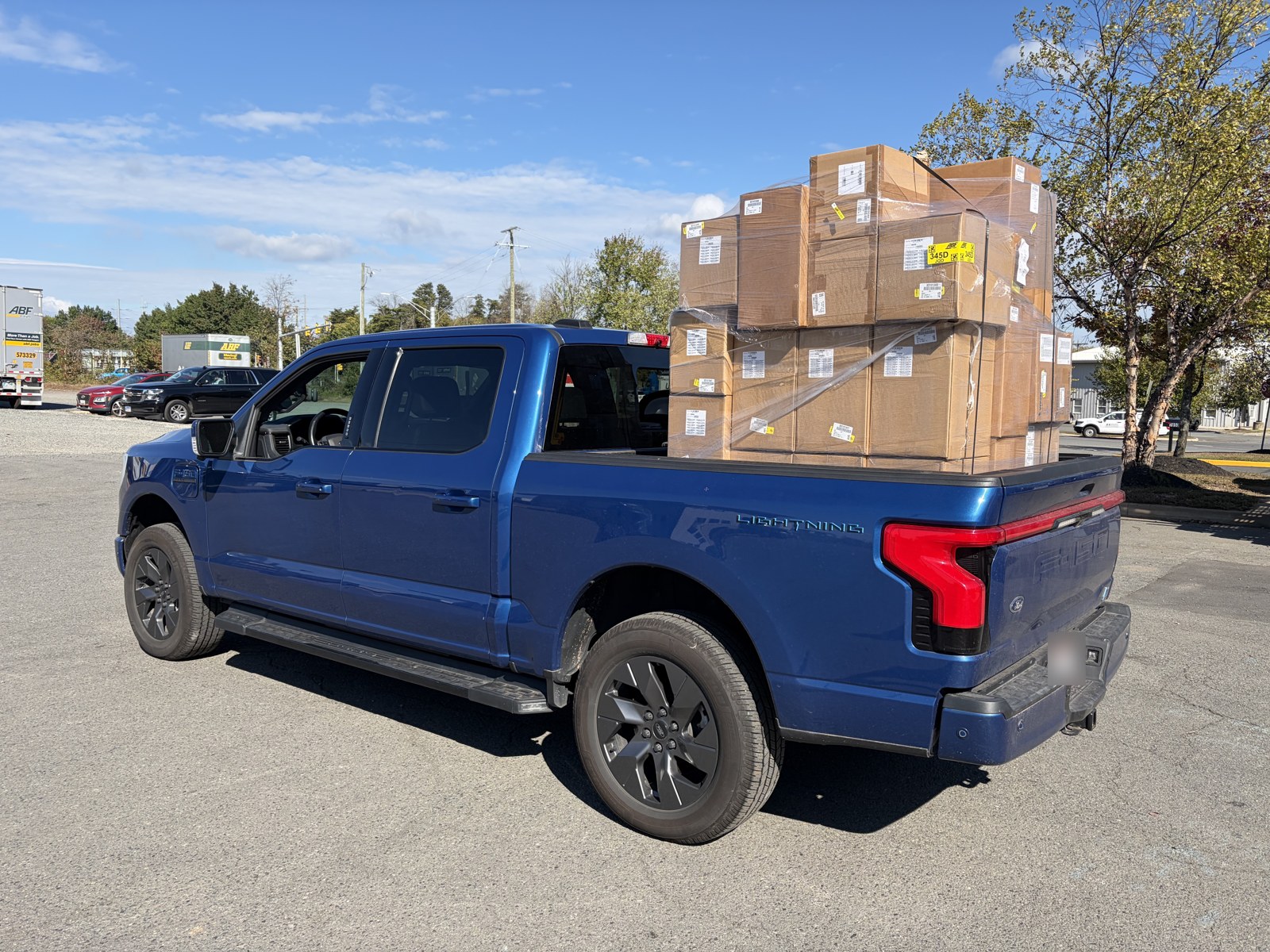
At Bright Wire, a truck roll on its own costs the customer about $150. That’s one booked hour of labor at our rate, the hour on site. For builder clients, there’s no trip fee on top.
The doorbell 2 hours away
We’re the low-voltage contractor for a small boutique home builder in Western Maryland. We pull all the low-voltage cabling in their houses, and we offer the builder’s buyers a menu: a Wi-Fi pre-wire and access points, routers, a satellite internet pre-wire, security and automation, whole-home audio, home theater, conduit for future low voltage, and video doorbells. There’s no minimum and no required package, so some of those houses go up with no low voltage at all, not even coax or a single Cat6 run, and others are fully loaded.
One of the builder’s buyers wanted a doorbell, and specifically a Ring doorbell. We make very little on Ring products, and the monthly subscription goes to Ring, not to us. We agreed to supply it and install it at our usual builder rate anyway.
The house was 2 hours away. That’s a 4-hour round trip to install one video doorbell, for one booked hour of labor: $150.
We didn’t figure this out afterward. We knew before we left, and we did it anyway.
Our jobs are usually within about 45 minutes, so we don’t normally pay technicians for drive time. This one broke that model, and I think I paid the tech for the drive on this one. That was 5 hours of the tech’s day, and the pay for those hours came to more than the $150 the job brought in. That’s before the truck, the electricity to charge it, or any overhead.
It’s the same windshield-time problem that sank our TV mounting math, just on a single job.
Doorbells don’t ride alone anymore
That job changed how we handle doorbells for the builder. We still do them, but it’s rare that we do just a doorbell now. A doorbell goes in as part of a basic home security package, or with cameras covering the whole house. The drive is the same either way. With a real job attached, there’s margin to absorb it.
We’d already learned that a single doorbell can turn into a lot of unpaid labor.
Free advice
I own the company, so I tend to treat my own time as free, even though it isn’t. Free advice is the problem I haven’t solved.
We’re very consultative, and we’re always looking to help. A site walk and estimate can turn into 2 to 3 hours of talking with the customer, giving feedback and recommendations. It builds the relationship, and it usually lands the job. But because we’re nice guys, we spend too much time and do real work that we don’t charge for.
These consultations almost always turn into a paying job, so it isn’t lost money in the lost-sale sense. It’s still hours of real expertise that we give away each time. We’re the professionals, and we have data from everything we’ve installed and sold and from what our customers tell us afterward. Customers make purchasing decisions based on those conversations. It would make sense to charge for that time, especially when we’re acting purely as consultants.
And they don’t always buy what we recommend through us. Even when it converts, it still feels like labor lost.