About
I only write about things I paid for.
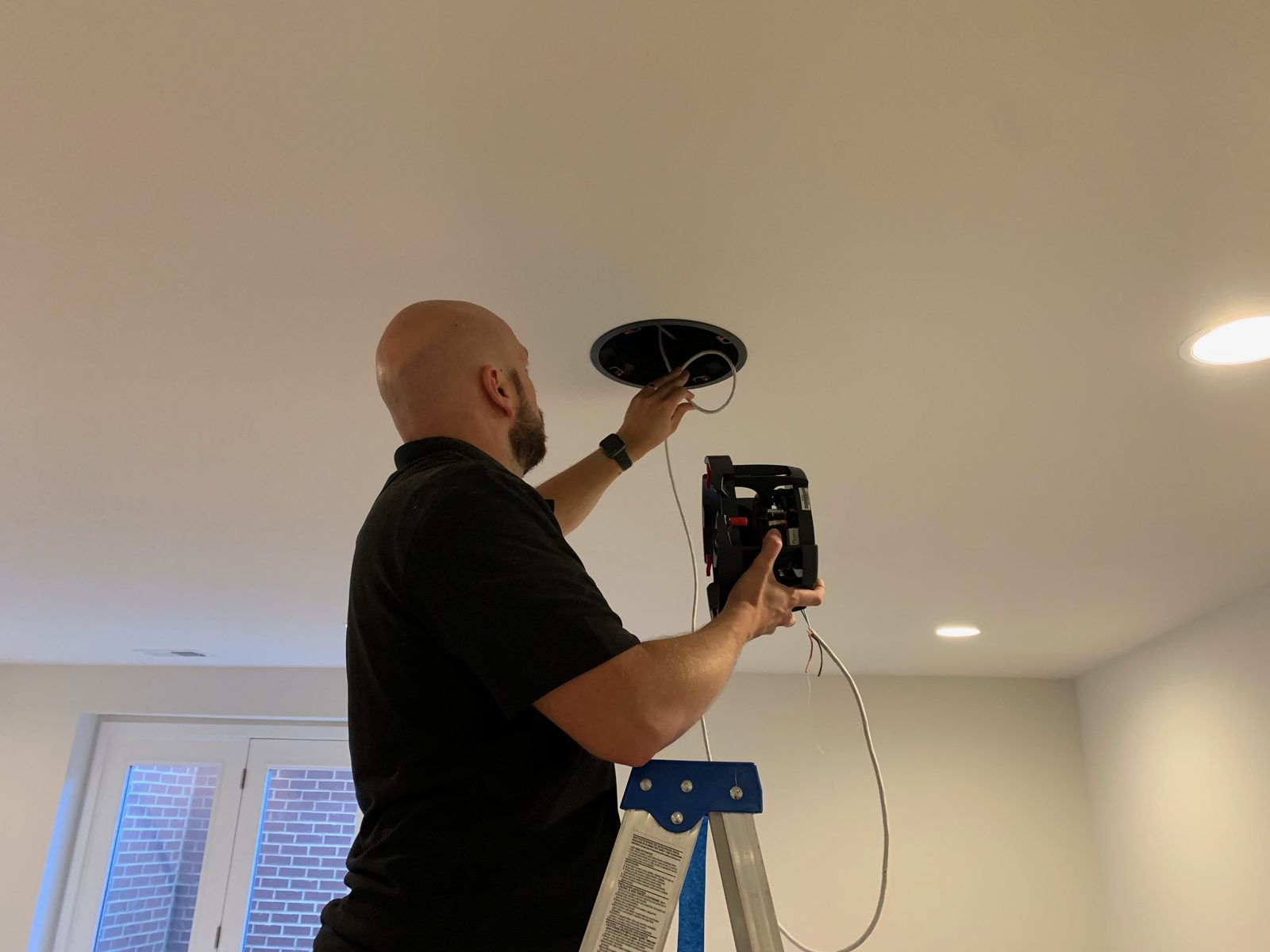
I spent just under 5 years at Alarm.com as a product manager on the home automation team — emPower, officially, with a charter of home automation. I ran product for the whole-home audio integration and the "Works with Alarm.com" program, which was the cloud-to-cloud integration side of it. Some of that work was further ahead of the market than the market was ready for: we got both a Philips Hue and a Logitech Harmony integration to working proofs of concept. Harmony ended when Logitech left the remote control business and there was nothing left to integrate with.
The thing I kept coming back to was the usage data. The platform could do the things, and homeowners would have paid for them, and somewhere between those two facts it wasn't happening. The gap wasn't in the product. It was in the last mile — what actually got sold, installed, and switched on in a house. You only get to see something like that from inside a company with that much reach, and I left to go stand in the half of the picture I couldn't see.
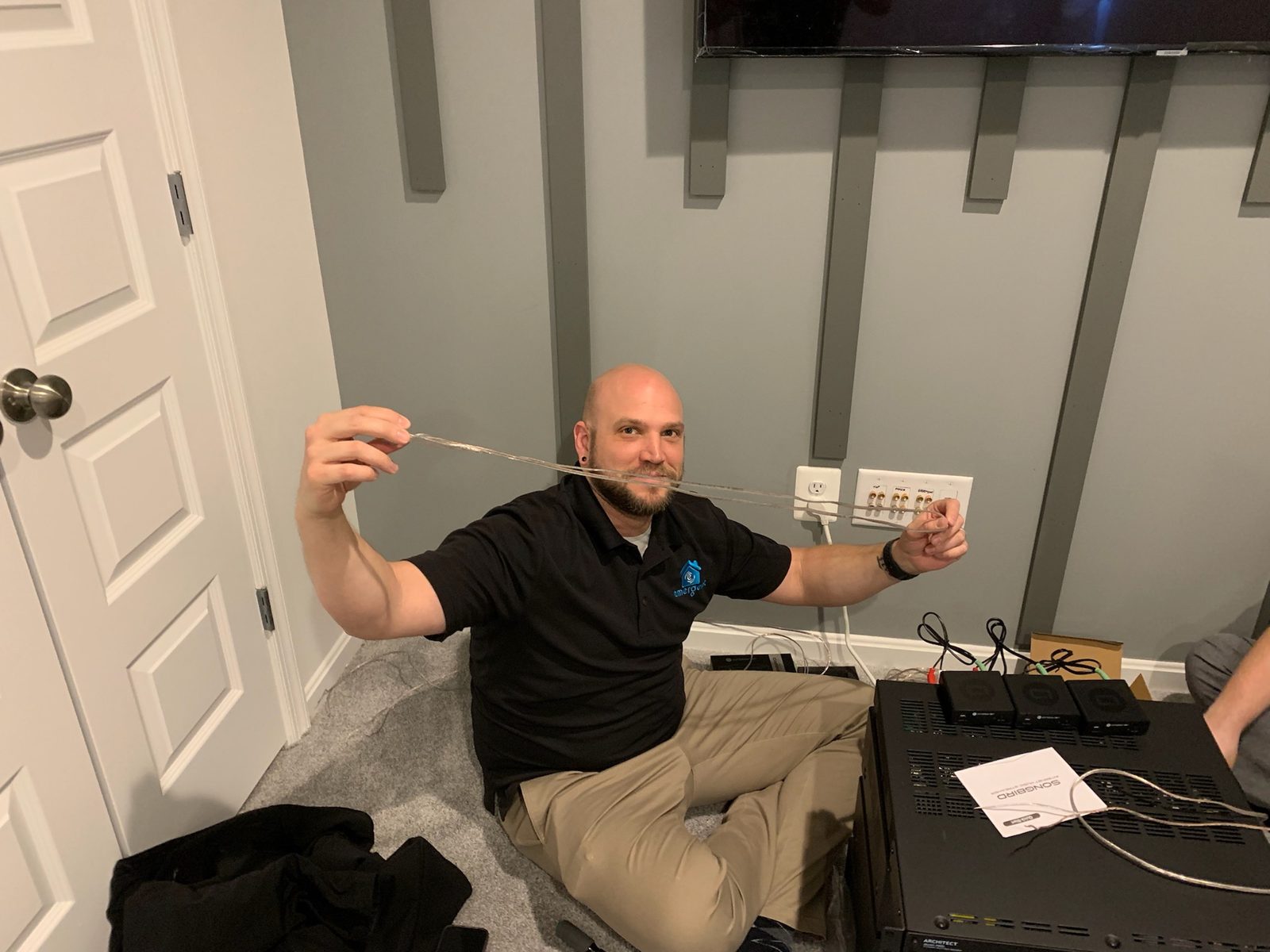
The first attempt was a partnership: Emergent Home Solutions, out of Annapolis Junction, Maryland. It didn't last. My business partner left, and we were forced to dissolve the company. Bright Wire Solutions is what I built after that. When I say 5 years of this, I mean both of them.
Then I made most of the available mistakes
I undercut the local market to win work, and 5 years later I'm still stuck with the prices I set. I paid a magazine $1,500 for an ad that never existed. I ran the numbers on a lead-generation platform after 3 months and found I was net negative. I mounted televisions for $150 because the other guy charged $199.
None of that is unusual. What's unusual is writing it down. Each of those is its own post, or will be.
The rule I actually operate by
Early on, a manufacturer's rep showed me a line card full of expensive, dealer-only brands. Customers couldn't shop the quote, so the incentives looked like they pointed the same direction as mine. They didn't. He was selling what paid him best. I specced that gear on his word, and some of it didn't hold up, and some of those manufacturers didn't honor what they said they would.
So now I only sell what I can personally demonstrate. When I spec a theater, I spec specific speakers, because I can sit a client down and let them hear exactly what they're buying. That rule cost me real money to learn and it is the single most useful thing on this site. I first understood it standing in a listening room watching my wife's face change, years before I ever sold anything.
What I'm building now
The universal remote I spent years recommending doesn't exist anymore. Logitech discontinued Harmony and nothing affordable replaced it, so I started building one. It's early, and I'm not going to oversell it here. When there's something to show, it will show up on this site first.
What this is for
Two kinds of people end up here. Contractors, who will recognize most of these mistakes and might avoid a couple of them. And homeowners, who mostly want to know what they actually bought and why it behaves the way it does. I write for both, which means some posts assume you know what a home run is and some explain the trade from scratch.
I'm still running a company; I'm not writing from retirement. Some of these problems I haven't solved yet, and I'll say so when that's the case. If a post ends without an answer, that's not an oversight.