Nobody wants a monthly payment. Somebody has to pay for the cloud.
A customer bought a video doorbell, and I was the first person in the room who knew the video part cost extra every month.
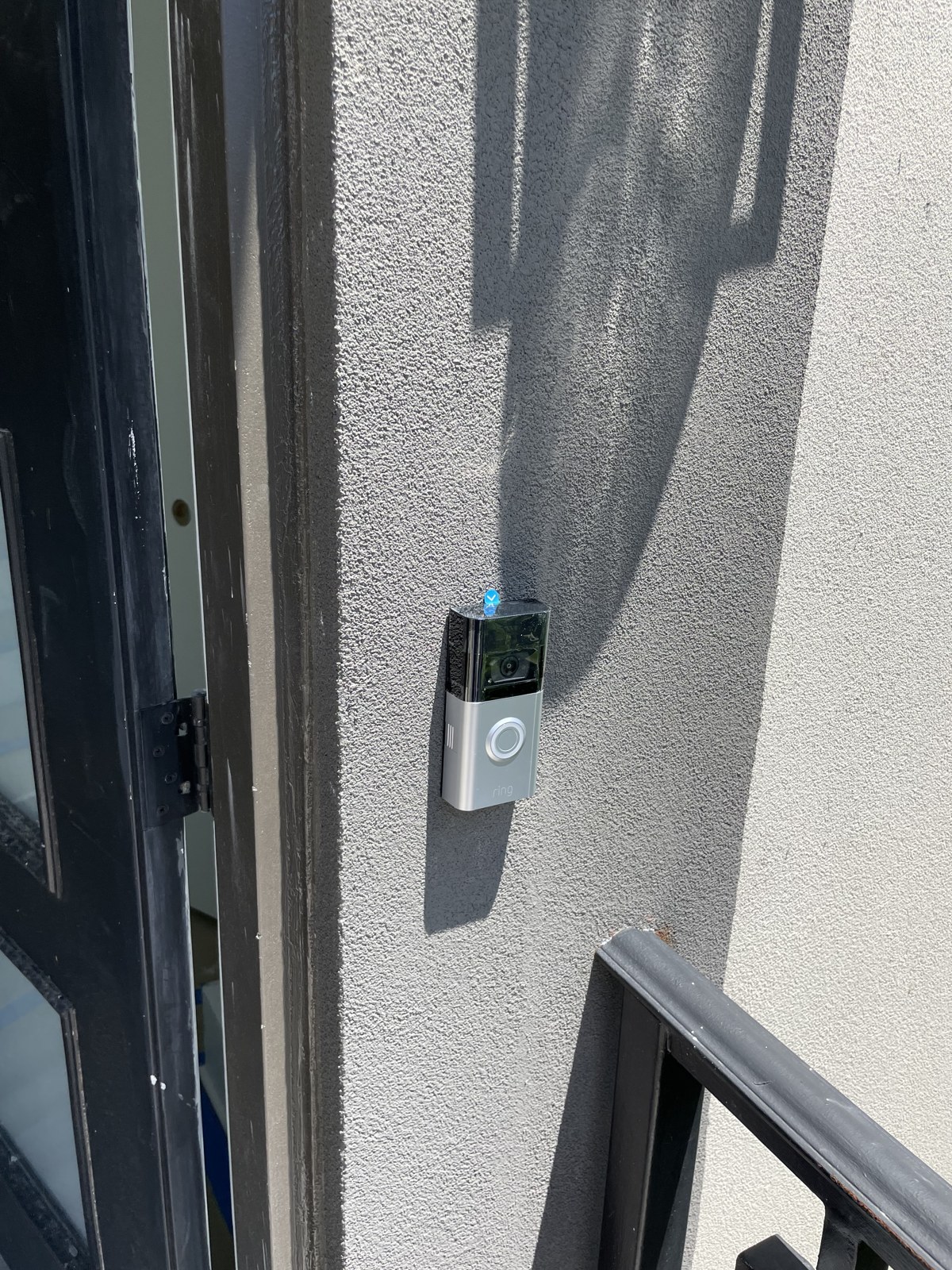
The customer had already bought the doorbell. It was sitting in the box on the counter when I got there, and we were hired labor — install this, make it work, here’s your check.
It worked. And then I told them what it cost to keep recording.
They wanted a video doorbell and they did not want a monthly fee. Those were two separate sentences they had said out loud to each other before they ever bought anything, and as far as they knew, they had gotten both. The cheaper subscription-free doorbells — the Eufy, the Wyze, that whole category — weren’t something we carried. So there wasn’t a version of this where I said “no problem, return it and get the other one.”
They weren’t lied to. I believe it was in the fine print, on the box or on the product page. But nobody reads the fine print on a $99 device, and even the people who read it didn’t expect what it covered.
They didn’t think recording was an advanced feature. They thought recording was the feature. It’s a video doorbell. Someone rings it, it records video — that’s the whole name of the product. The advanced stuff, in their heads, was package detection and person alerts and all the analytics. Not the video.
That expectation came from somewhere real. Anybody who had a camera system before this had a box in a closet with a hard drive in it. The recording was just what the thing did, because the storage was sitting right there and you had already paid for it.
Somebody is paying for that cloud
This is where I got better over the years, and it took me a while. Early on we would just install what the customer handed us and keep our mouths shut about the drawbacks, because it was their hardware and their choice and we didn’t want to insult anyone’s purchase.
That was the wrong call, and not only for the nice reasons. If I install a doorbell someone else bought and a month later they’re annoyed about a subscription they didn’t know about, or the thing has a problem, I do not want any room in their head for the idea that the issue is me. I was the last person to touch it. So we started getting ahead of it at the door, before the drill came out. Partly to be useful. Partly so the exit was clean.
And the explanation that actually worked was the boring one.
When a camera has no local storage and it records video, that video has to go somewhere. People say “it goes to the cloud” like the cloud is weather. The cloud is spinning disks in a data center, and somebody is paying for those disks. Your $99 bought the device. It did not buy the service you want paired with the device.
Once you say it that way, most people stop feeling cheated. They may still not want to pay. But they stop thinking a fee was slipped past them, because they can see the thing the fee is buying.
A bad deal at one device and a fine deal at eight
Ten dollars a month for a doorbell is steep. Ten dollars a month for the doorbell plus seven cameras, all of them recording clips, is not steep at all. It’s the same $10. The value swings entirely on how many devices you own, and the person who feels ripped off is almost always the person with exactly one.
Ring’s cheapest per-device plan sat at $3 a month for years, then went to $3.99 in 2022 and $4.99 in 2024. The whole-home plan is $9.99. Nest went the other way structurally — before 2020 it was billed per camera, starting at $5 a month, then in May 2020 Google switched to one whole-home plan at $6, raised it to $8 in 2023, and to $10 in August 2025.
So both companies raised prices over time, but only Nest dropped the per-device plan. Which means anybody who bought one Nest doorbell in 2019 and felt fine about $5 is now looking at a plan built for somebody with a whole house of cameras, and they still only have the doorbell.
I still don’t have a good answer for that person. For them the math isn’t great, and telling them the cloud costs money doesn’t make $10 smaller.