How to buy a TV at a big box store without getting fooled
In 2016 I bought Sony's flagship 75-inch TV. It looked amazing, and then I stopped noticing. Here's what a store can and can't tell you.
Customers walk into a Best Buy and buy the TV that looks good on the wall.
Showroom settings lie
The TVs in a store are either running in Vivid mode, or they’re being fed a marketing demo reel built to make that one panel show its absolute best image. Neither one is real content, and neither one is what you’ll have when you get it home.
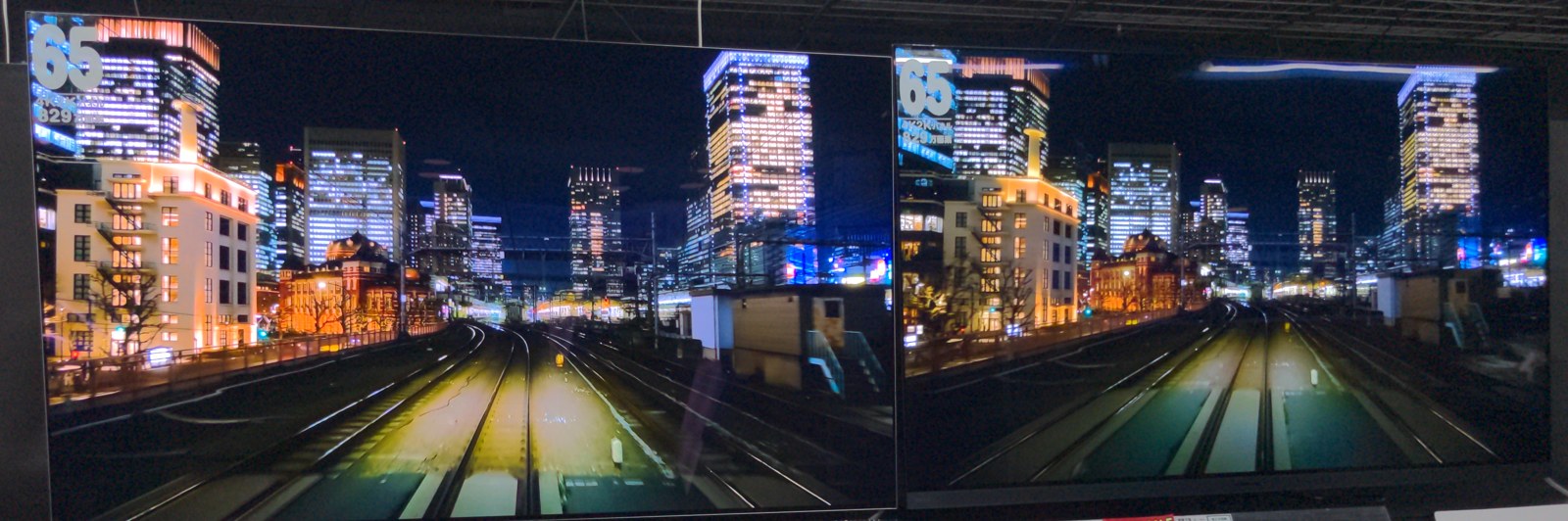

It’s the same trap as judging a speaker in an audition room that’s nothing like your own room. You can’t walk into a store, look at a display on the wall, and decide you like its picture.
The TV I bought in 2016
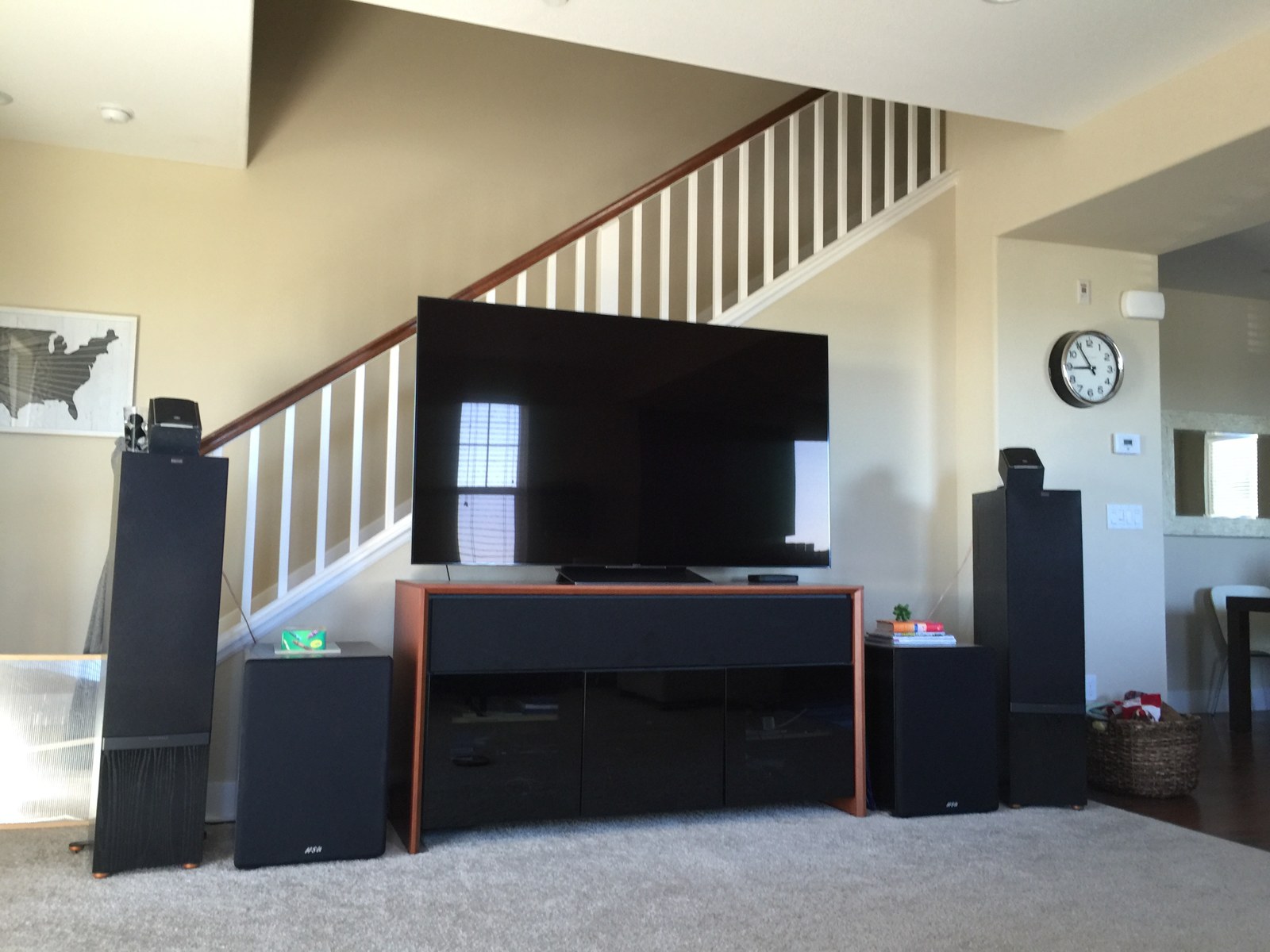
In 2016, before I started the company, I had a tech job, I was married with no kids, and I had some disposable income. I bought a Sony XBR-75X940D, Sony’s flagship 75-inch 4K TV at the time.
It did look amazing. At home, I switched it to Cinema mode.
Then I stopped noticing. It doesn’t stop looking good. You just never look back.
Why you stop noticing
Psychologists have a name for that: hedonic adaptation. Shane Frederick and George Loewenstein’s 1999 review of the research describes the baseline shifting: what felt like an upgrade quietly becomes the new normal.
And it works on things that stay the same. Adaptation happens with constant or repeated experiences, not ones that keep changing. A TV’s picture quality is the same every night.
The TV that doesn’t come home with you
Say you like TV A, and you like the price. But TV B is sitting right next to it, looking a lot better, for 30% more.
TV B does not come home with you. That comparison only exists in the store. Once TV A is on your wall, the things that actually mattered to you, the picture you liked and the price you liked, are all that’s left. And it’s going to be perfect.
The client I talked out of TV B
One client was choosing between two TVs the same size. The step-up model was an OLED, and at the time an OLED was a real step up in contrast and color.
But their room was bright, with no way to control the light. For sunny daytime viewing, that OLED would have looked too dim. They wanted the better picture, but they would have paid more for something they couldn’t use.
That money was better spent elsewhere. And once their TV was on the wall, they’d never see TV B again.
They’re happy with it.
What a store can actually tell you
Some things you can judge in a store:
- Viewing angle. How the picture holds up when you’re off to the side.
- Reflections and finish. How glossy the screen is under the lights.
- The remote and the menus. How the software and the remote feel to use every day.
If you’re going to buy off the wall anyway, ask someone to switch the TVs you’re comparing to Cinema or Movie mode first. Then pick up the remote and use the menus for a minute.
What I tell clients
When a client asks me to come shopping with them, I tell them to let me spec it instead. Tell me the size, the budget and the room, and I’ll pick it.
What I look at depends on how they’ll use it: how much light the room gets, how far the seats are from the screen, which panel type fits, and whether there are game consoles to plan for.
Where the Sony went
When we moved, the Sony didn’t fit the new place, and it didn’t come with us.