The case for low-voltage lighting
We already run low-voltage cable to nearly everything in a new house. I think lights should be on that list.
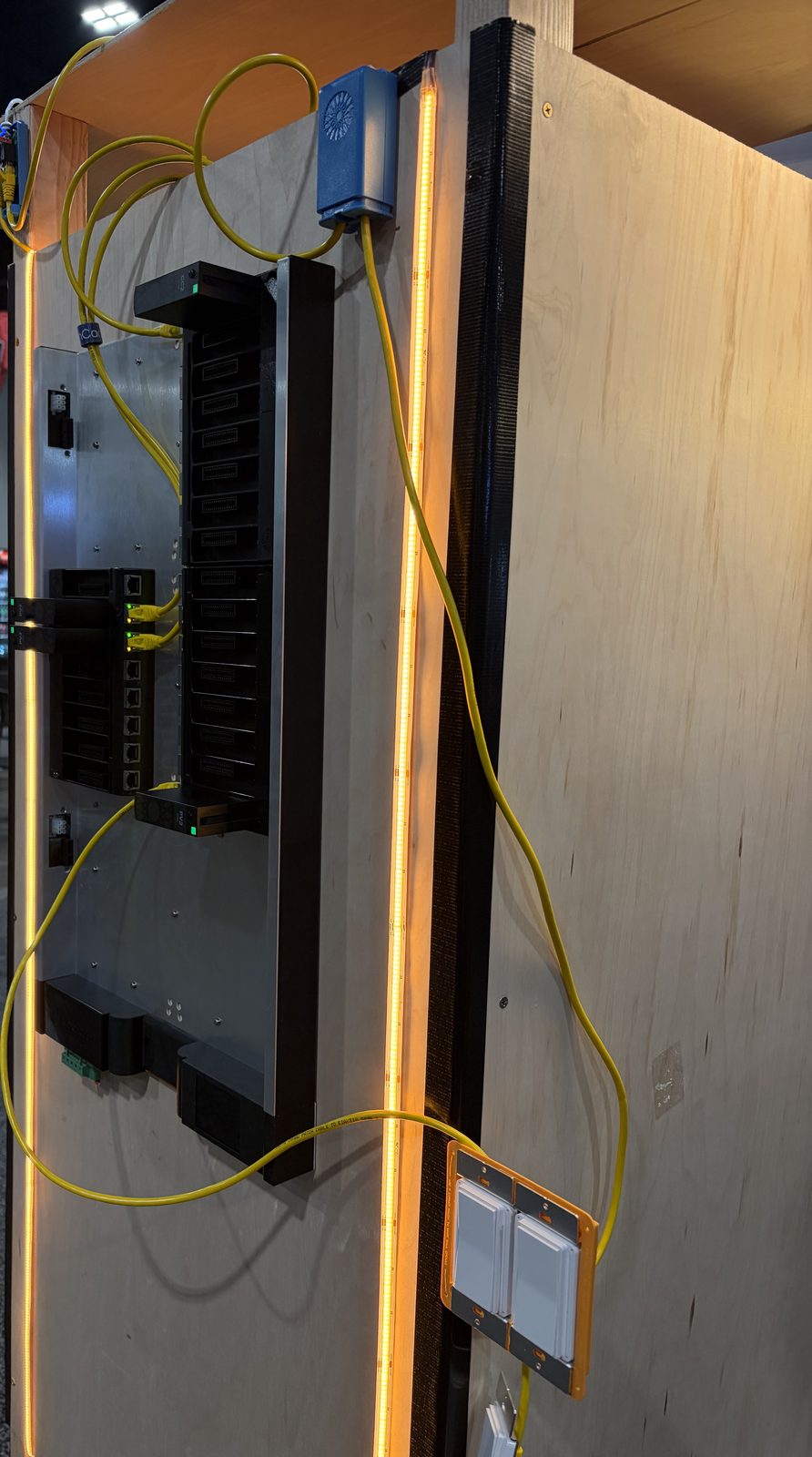
I think low-voltage lighting is better than high-voltage lighting, full stop. I also think it’s going to take a long time to catch on, because it means asking old-school builders to change how they’ve always done things. But I saw enough at CEDIA Expo in Denver this year to convince me it’s where things are headed.
By low-voltage lighting, I mean exactly that: recessed cans, bulbs, fixtures, sconces and light strips, all fed over Cat5 or Cat6-style cable, typically running at 24 or 48 volts instead of household current.
It isn’t as strange as it sounds, because we already pull low-voltage wire to nearly everything else in a modern home. Speakers, access points, smoke and carbon monoxide detectors, security panels, irrigation controllers, motorized shades, even the window candle fixtures you still see a lot of in the South. Adding lights to that list extends wiring we’re already running. It isn’t a new kind of work.
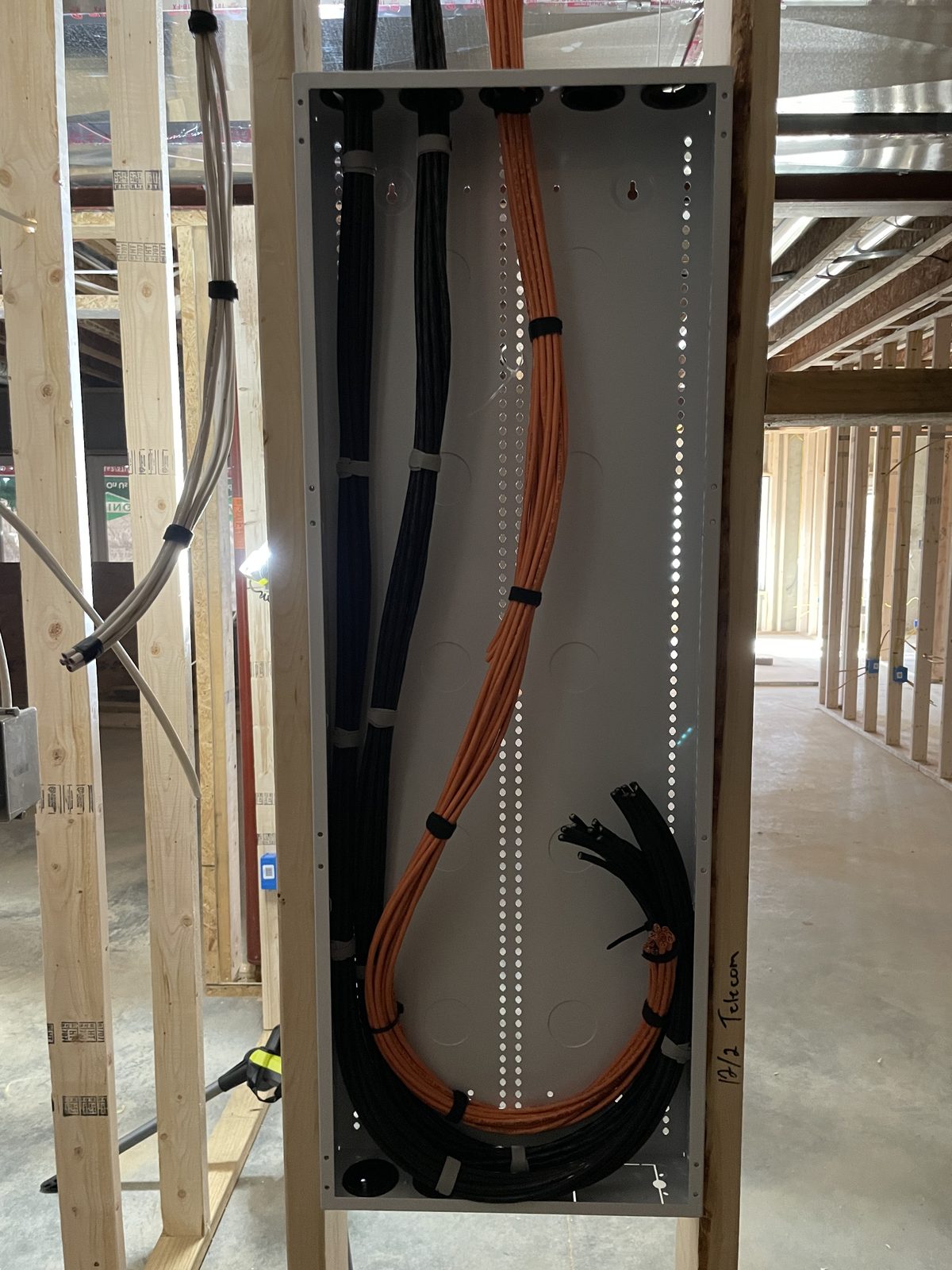
A few things make the case. Low-voltage cable uses less copper, so it usually costs less per foot than high-voltage wire. It’s more pliable and easier to pull. And it’s the same cable our low-voltage techs already run on every job.
There’s a safety story too. With standard PoE, there’s no power on the wire until a device comes online and the switch recognizes it. Passive PoE never worked that way.
The part I find most interesting is the data. If these fixtures connect back to a network switch or controller, you can see what’s on the network and decide which devices stay simple and which get smart. And that traffic rides a wire instead of adding to all the wireless traffic already competing in most smart homes. In a lot of cases the devices don’t need their own internet connection at all, because the controller handles it.
None of this means high voltage goes away. Outlets still need it for appliances, and until manufacturers build low-voltage versions, things like ceiling fans and bathroom exhaust fans still need standard power. This is a change to the lighting layer, not a rewire of the whole house.
I saw more evidence at the show that the industry is moving this way. Dendo Systems, a first-time exhibitor from Victoria, Australia, debuted what it calls the world’s first Power over Ethernet drapery motor, part of a platform that brings Ethernet power, control and real-time feedback to motorized window coverings. Shades were already headed this direction. Lighting is next.